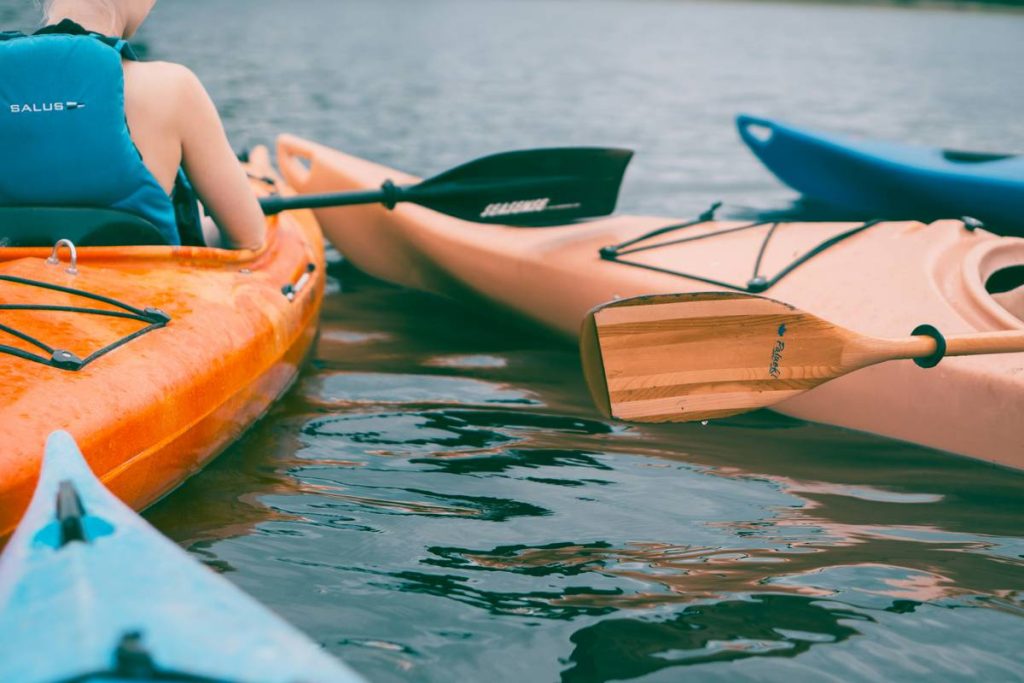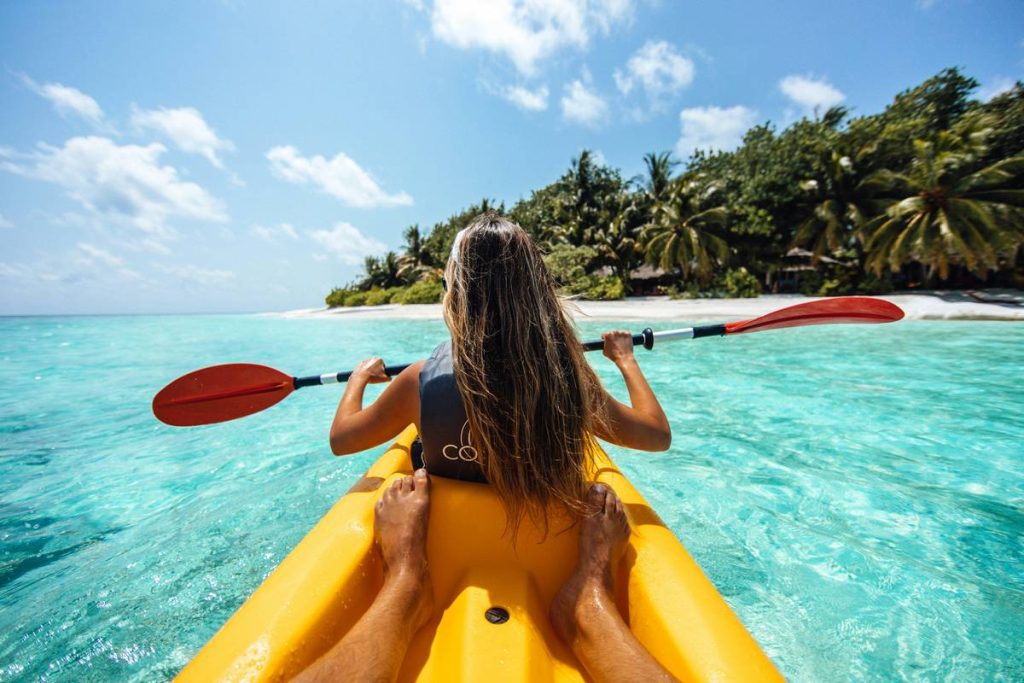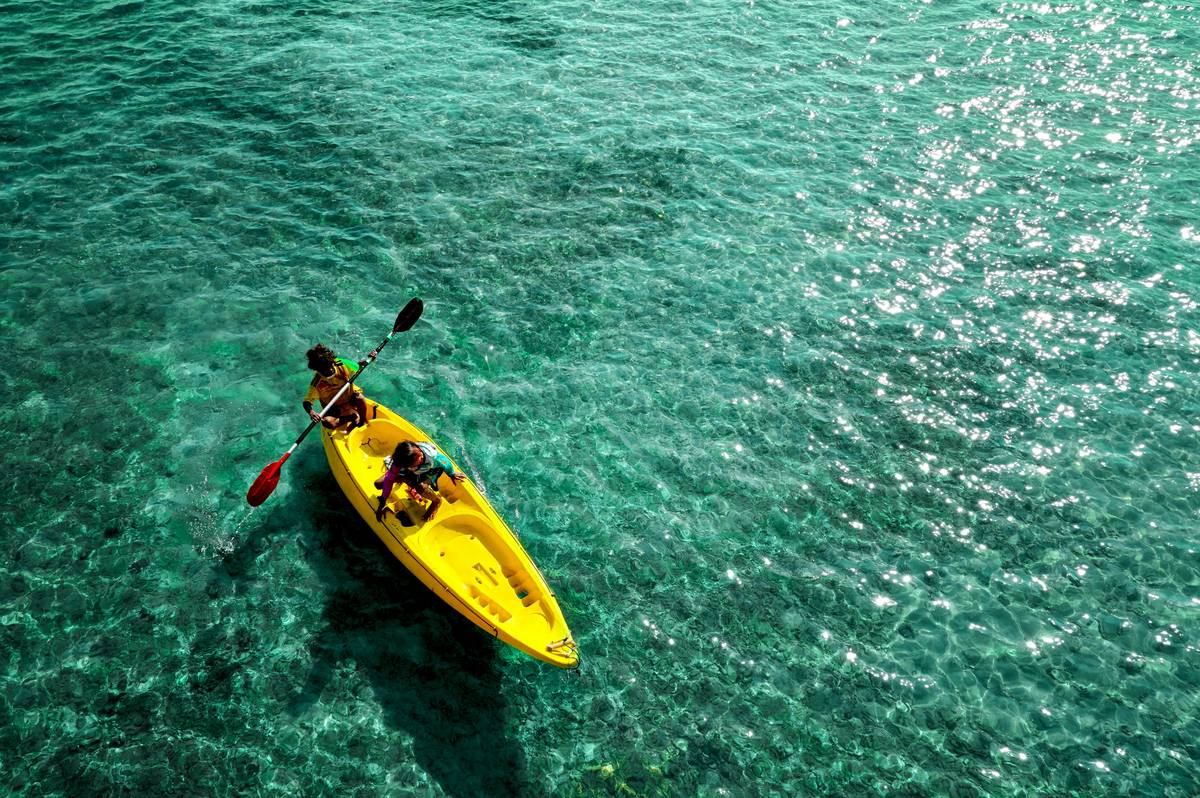
Ever returned a rented kayak only to get hit with a surprise bill for $800 because someone scraped the hull on a hidden rock? Yeah, I’ve been there—twice. What felt like a relaxing paddle turned into a financial headache because I assumed “rental insurance” meant I was covered for accidents. Spoiler: it didn’t.
In the world of water sports travel, kayak liability policies are your unsung safety net. They protect you when things go sideways—not just for damage to the kayak, but if you accidentally injure another paddler or damage private property. This guide cuts through the fine print so you know exactly what to ask for, how much coverage you need, and where most travelers slip up.
Table of Contents
- Why Kayak Liability Policies Matter
- Step-by-Step Guide to Getting Covered
- Best Practices for Smart Protection
- Real-World Lessons from Kayak Claims
- Frequently Asked Questions
Key Takeaways
- Standard rental agreements often exclude third-party injury or property damage—kayak liability policies fill that gap.
- Minimum recommended coverage: $100,000 per incident (many U.S. outfitters offer $25k–$50k by default).
- Always verify if your homeowner’s/renter’s policy or credit card offers supplemental watercraft liability (most don’t cover rentals over 25 horsepower—but kayaks qualify!).
- Never skip reading the damage waiver; “full coverage” is often misleading marketing.
Why Kayak Liability Policies Matter
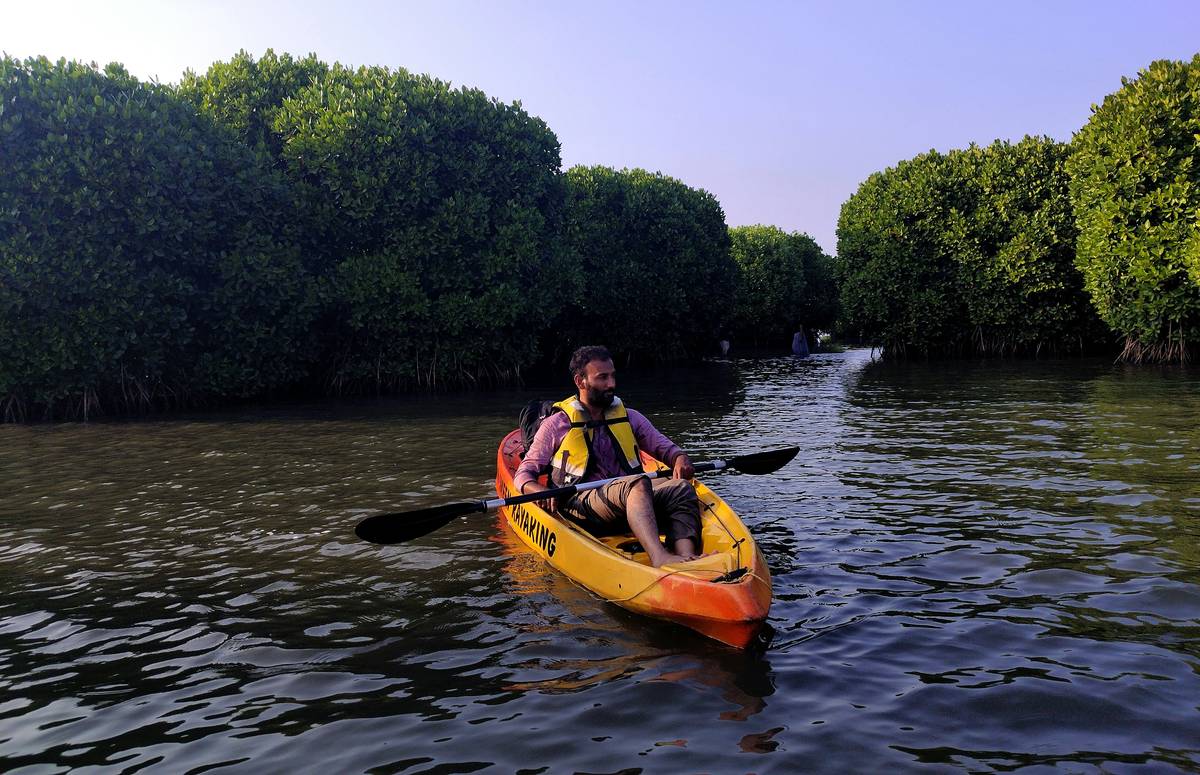
Imagine drifting peacefully near mangroves when a sudden current spins your kayak into a docked fishing boat. The owner demands $1,200 for scratches. Without proper liability coverage, that’s coming out of your pocket—and possibly affecting your credit if you refuse.
The reality? Most kayak rental waivers only cover damage to the rented equipment. They say nothing about harm you might cause to others. According to the U.S. Coast Guard’s 2023 Recreational Boating Statistics, over 4,000 non-fatal injuries involved human-powered vessels like kayaks and canoes. If you’re deemed at fault, medical or repair costs fall on you unless you have explicit liability protection.
Step-by-Step Guide to Getting Covered
1. Ask the Right Questions Upfront
Don’t just sign the waiver. Ask: “Does this include third-party liability coverage? What’s the limit per incident?” Many shops bundle basic equipment damage protection but sell liability as an add-on ($5–$15/day).
2. Check Your Existing Policies
Your homeowner’s or renter’s insurance may extend liability coverage to non-motorized watercraft. Call your provider—don’t guess. Similarly, premium travel credit cards sometimes include accident or damage protection; review their benefit guides carefully.
3. Compare Daily vs. Annual Plans
Frequent paddler? Consider an annual policy from providers like USA Water Ski & Wake Sports Foundation, which offers liability coverage for multiple human-powered craft types. For one-off trips, the rental shop add-on is usually sufficient—if the limits are adequate.
Best Practices for Smart Protection
- Verify coverage minimums: Aim for at least $100,000 in liability per occurrence. Anything less risks underinsurance.
- Get it in writing: Request a copy of the insurance certificate or addendum before launching.
- Document pre-existing damage: Take timestamped photos of every nick and scratch before leaving the dock—disputes often arise over “new” vs. “old” damage.
- Avoid this terrible tip: “Just rely on the rental shop’s ‘full coverage’ claim.” That phrase almost never includes meaningful liability protection. Always read the exclusions.
Real-World Lessons from Kayak Claims
Last summer in Florida, a tourist capsized near a private waterfront property, and their kayak drifted into a neighbor’s floating dock, causing structural damage. The rental company’s standard waiver didn’t cover third-party property loss. Because the renter had declined the $10/day liability add-on (limit: $50,000), they paid $9,300 out of pocket after legal fees.
Contrast that with a group in Oregon who purchased a daily kayak liability policies upgrade ($12 for $250,000 coverage). When one member collided with a guided tour vessel, the policy covered both medical evaluation and boat repair—no personal cost incurred. As noted by the National Association of Marine Surveyors, incidents involving shared waterways are rising, making proactive coverage essential.
At Philip Vias Travel, we’ve seen too many clients blindsided by gaps in protection. That’s why we detail every vendor’s policy terms in our trip planning—learn more on our About Us page.
Frequently Asked Questions
Do kayak rental companies always offer liability insurance?
No. Some include minimal coverage in the base rate; others offer it as an optional add-on; a few provide none at all. Always confirm before signing.
Does my travel insurance cover kayak liability?
Most standard travel insurance plans exclude watercraft liability. Only specialized adventure travel policies might include it—check your plan’s activity clause.
What’s the difference between damage waiver and liability insurance?
A damage waiver covers repairs to the rented kayak. Liability insurance covers injuries you cause to others or damage to their property. They’re separate protections.
Can I get kayak liability policies without renting from a shop?
Yes. Organizations like American Canoe Association offer individual memberships with liability coverage for self-owned or borrowed craft.
Are children covered under my policy?
If you’re the primary insured and they’re under your supervision, typically yes—but verify age limits and supervision requirements with your provider.
How do I file a claim?
Report the incident immediately to the rental company and your insurer. Keep photos, witness contacts, and written records. For help navigating post-trip issues, reach out via our Contact Us page.
Bottom line: Kayak liability policies aren’t just fine print—they’re peace of mind with paddles. And if you share personal details during booking, rest assured your data is protected per our Privacy Policy.
So next time you grip those paddle handles, remember: the best adventures are the ones where you’re covered—even when you wipe out.
Rent smart. Paddle safe. Sleep soundly.