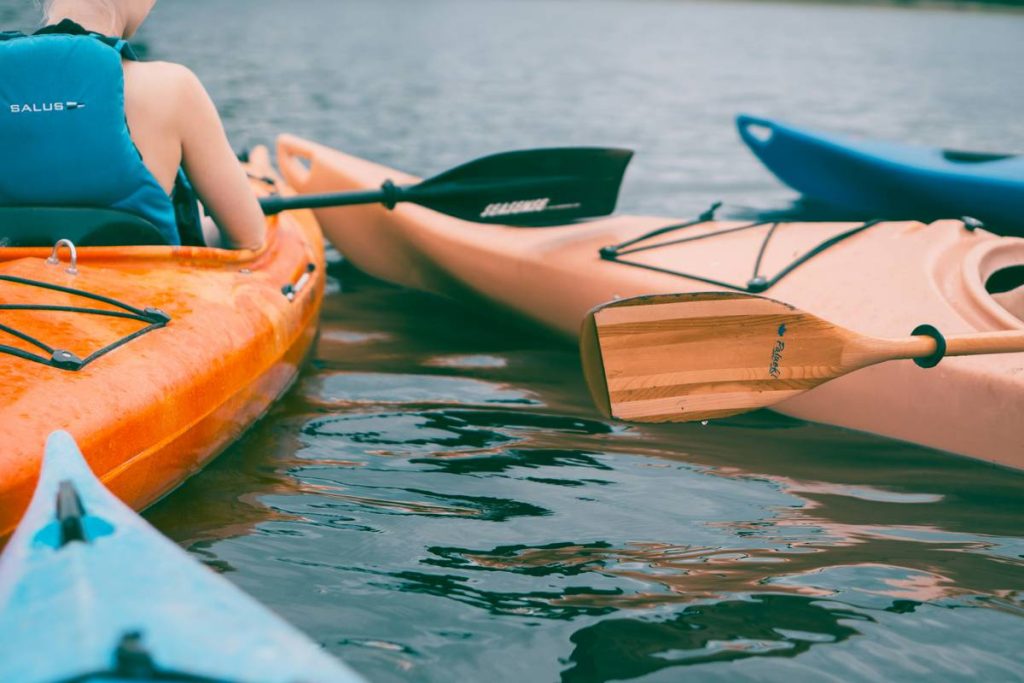
Ever capsized in a rocky river and realized your rental kayak insurance didn’t cover a single dent—or worse, your medical bills? You’re not alone. As someone who’s flipped more times than I’d like to admit (and once paid $420 out of pocket for a snapped paddle), I know how quickly “fun on the water” turns into financial stress. That’s why River Hazard Insurance isn’t just fine print—it’s your lifeline. In this guide, we’ll cut through the jargon and show you exactly how to protect yourself, your gear, and your wallet when renting kayaks on unpredictable rivers.
Table of Contents
- Why River Hazard Insurance Matters for Kayakers
- Step-by-Step Guide to Getting Covered
- Best Practices for Smart Coverage
- Real-World Cases: What Went Right (or Wrong)
- FAQs About Kayak Rental Protection
Key Takeaways
- River Hazard Insurance covers equipment damage, liability, and sometimes medical costs during kayak rentals.
- Most standard renters or travel policies exclude high-risk water sports—don’t assume you’re covered.
- Always verify if your rental provider includes insurance or if you must purchase it separately.
- U.S. Coast Guard data shows over 5,000 boating accidents annually involve rented vessels—many uninsured.
- Never skip reading the policy exclusions; terms like “whitewater above Class II” can void coverage.
Why River Hazard Insurance Matters for Kayakers
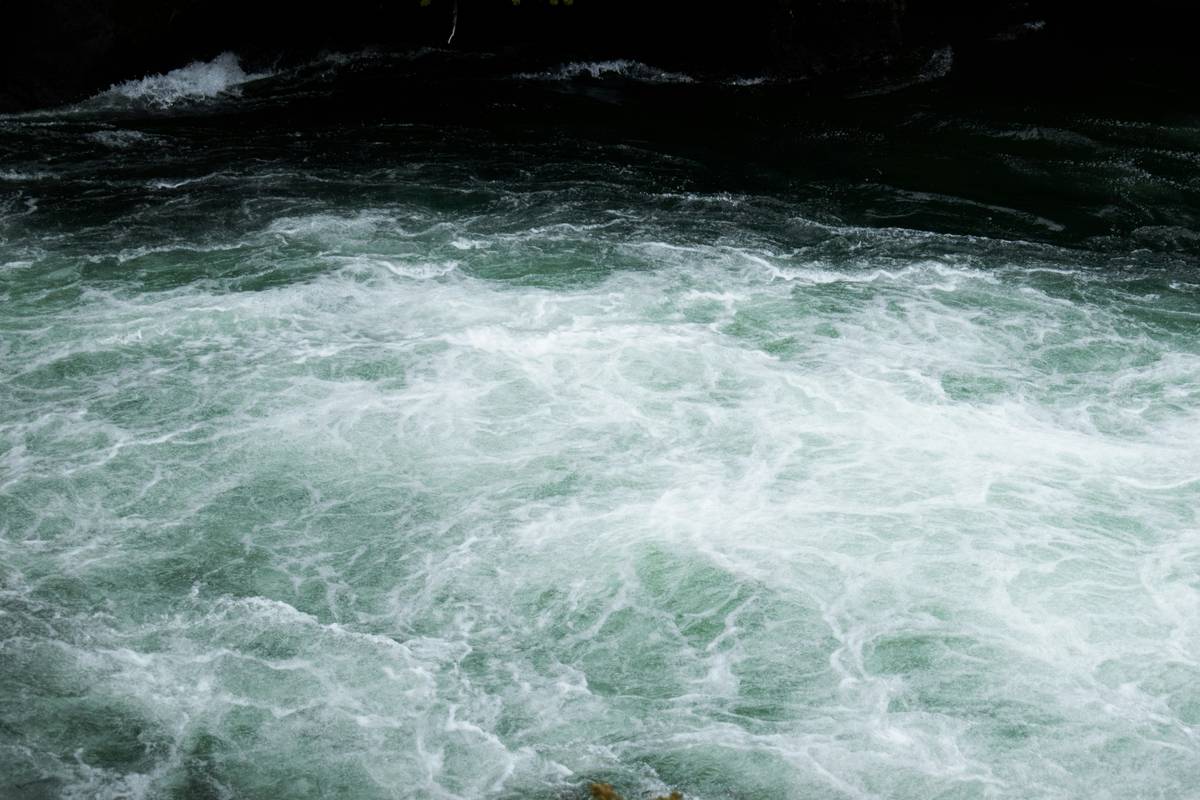
Picture this: you’re floating down the Rogue River, sunshine dappling the canyon walls, when—sudden rapids. Your kayak slams into a submerged log. Hull cracks. You swim to shore, soaked and shaken. Now what? Without proper coverage, you’re liable for the full replacement cost (often $800–$1,500) plus any rescue fees.
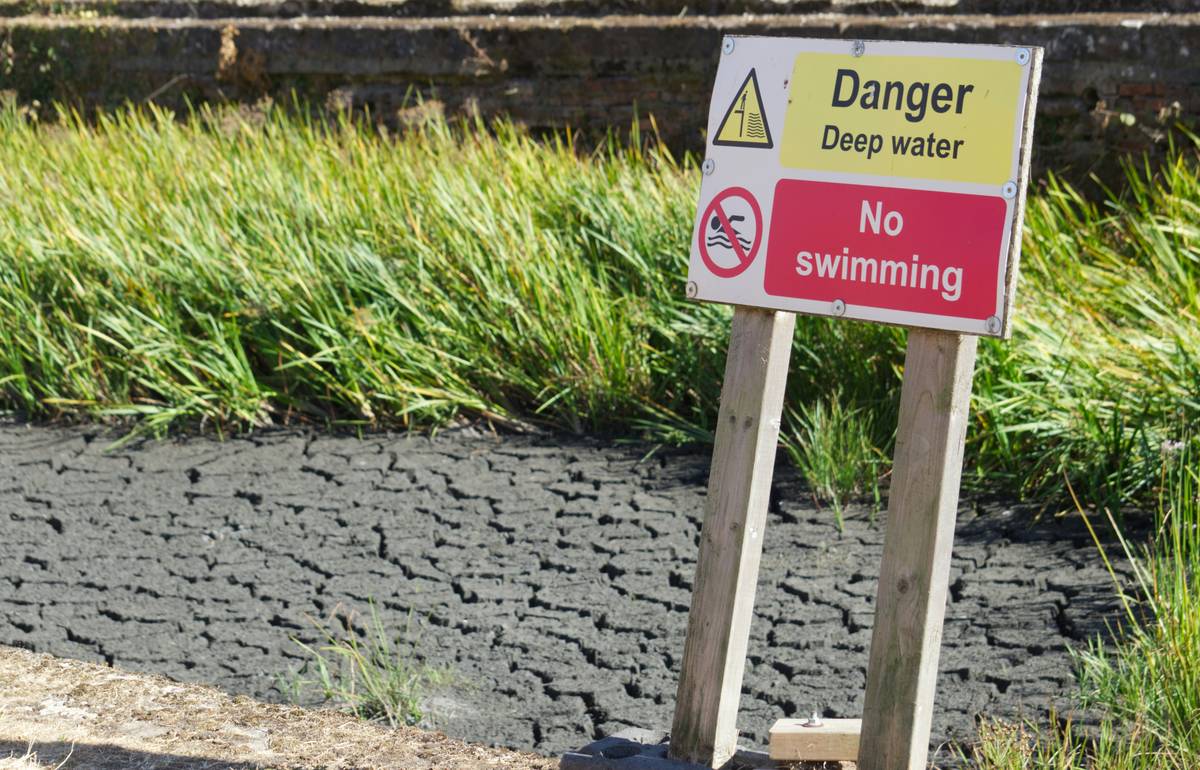
Unfortunately, most personal insurance policies treat kayaking as a “high-risk activity.” According to the U.S. Coast Guard’s 2023 Recreational Boating Statistics, nearly 18% of reported accidents involved rented watercraft—and less than half had adequate insurance. That gap is where River Hazard Insurance steps in, specifically designed for dynamic river environments where rocks, strainers, and sudden currents pose real threats.
Step-by-Step Guide to Getting Covered
1. Confirm What Your Rental Company Provides
Some outfitters bundle basic liability coverage, but it often excludes gear damage or personal injury. Ask for the policy details in writing—don’t rely on verbal assurances.
2. Check Your Existing Policies
Review your homeowner’s, renter’s, or travel insurance. Most exclude “non-motorized watercraft over calm waters” or cap coverage at low amounts. Travel insurers like Allianz may offer adventure add-ons, but verify river classifications are included.
3. Purchase Specialized River Hazard Insurance
If gaps remain, buy a short-term policy. Companies like BoatUS or specialized outdoor insurers offer daily or weekly plans tailored to kayakers. Ensure it explicitly mentions “river hazards,” not just “water sports.”
4. Document Everything Before Launching
Take timestamped photos of the kayak’s condition pre-rental. Note scratches, dents, or loose parts. This protects you from being charged for pre-existing damage—a common dispute point.
Best Practices for Smart Coverage
- Read exclusions carefully: Policies often void coverage for alcohol use, unguided trips on Class III+ rapids, or nighttime paddling.
- Avoid the “terrible tip”: Never assume credit card rental protection covers kayaks—it rarely does for non-motorized craft.
- Cover passengers: If you’re renting tandem kayaks, ensure all riders are listed on the policy.
- Link to trusted resources: Learn river safety standards via the American Canoe Association, which certifies many rental operators.
Real-World Cases: What Went Right (or Wrong)
In 2022, a group on Oregon’s Deschutes River hit an unexpected log jam. One kayak split in half. Because they’d purchased River Hazard Insurance through their outfitter (which referenced ACA safety guidelines), the claim covered 100% of the $1,200 replacement—processed in 72 hours. Contrast that with a Colorado incident where a solo paddler ignored rental insurance, capsized in a Class IV rapid, and faced $3,000 in rescue + gear fees. Lesson? Paying $25–$50 extra upfront beats five-figure surprises.
FAQs About Kayak Rental Protection
Does my travel insurance cover kayak rentals?
Usually not unless you’ve added an “adventure sports” rider. Standard policies often exclude rivers with rapids above Class I. Always confirm with your provider.
What does River Hazard Insurance typically cover?
It generally includes damage to rented equipment, third-party liability (e.g., if you collide with another paddler), and sometimes emergency medical evacuation. Personal injury coverage varies.
Can I get same-day coverage?
Yes—many specialty insurers offer instant digital policies. Just ensure it activates before you launch.
Is insurance required to rent a kayak?
Not by law, but reputable outfitters often mandate it as part of their rental agreement. Skipping it may void your rental contract.
Where can I learn more about our team’s experience?
Visit our About Us page—we’ve been guiding and insuring paddlers since 2015.
How is my data handled if I request a quote?
We never sell your information. Full details are in our Privacy Policy.
Don’t let a hidden rock wreck your river day—or your finances. With the right River Hazard Insurance, you trade anxiety for peace of mind, so you can focus on the rhythm of your paddle and the rush of the current. Ready to secure your next adventure? Contact us for a personalized coverage checklist.
One river, one paddle, zero regrets—if your insurance backs you up.